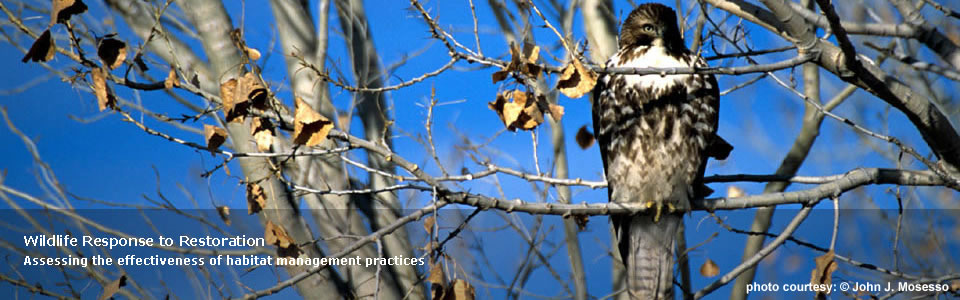
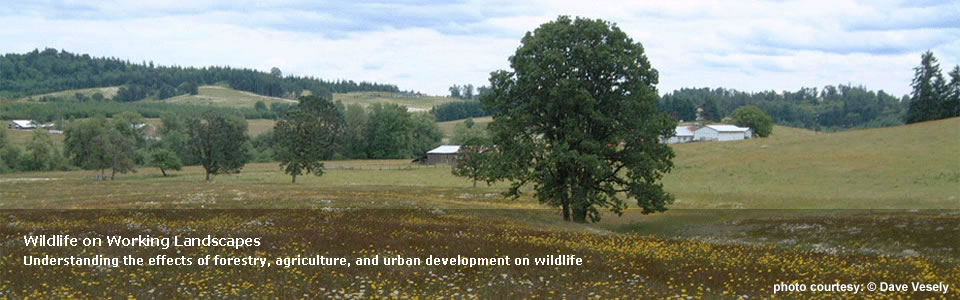
The Oregon Wildlife Institute was founded in 2007 as a 501(c)3 nonprofit organization with a mission of conserving and enhancing wildlife resources through research, education, and conservation planning. Our emphasis is on making science, management, and education matter.
We have nearly seventy-five years of collective experience in wildlife research and management with emphasis on wildlife ecology and natural resource management and extensive backgrounds in statistical analysis, study design and execution, and management planning.
Our expertise includes:
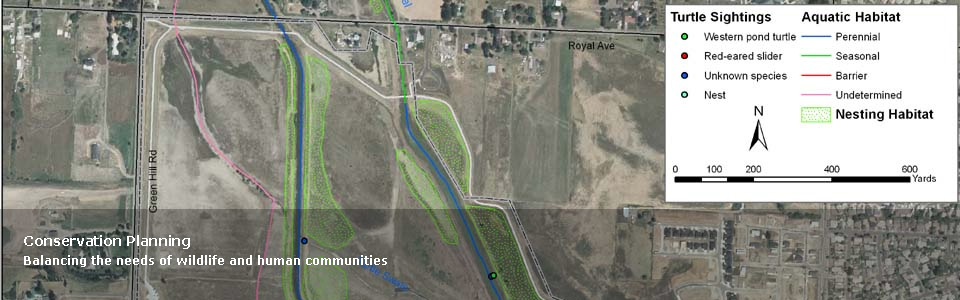
- Conservation planning: species assessments, management plans, science review;
- Monitoring approaches and implementation: strength of inference, adaptive management, protocols and methods;
- Population ecology: demography, abundance/occupancy estimation, modeling;
- Landscape ecology: habitat associations, connectivity;
- Ecotoxicology: identification of problem, risk assessment.
Featured Projects
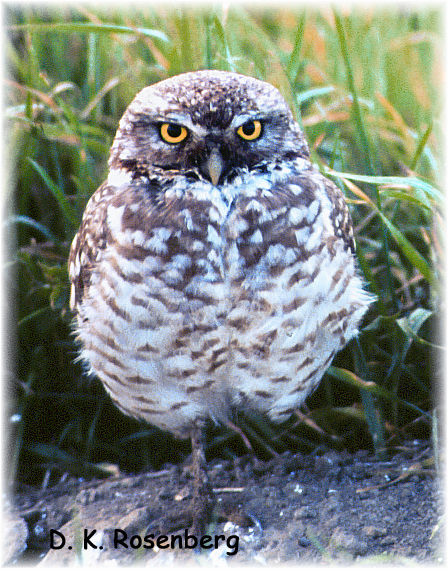
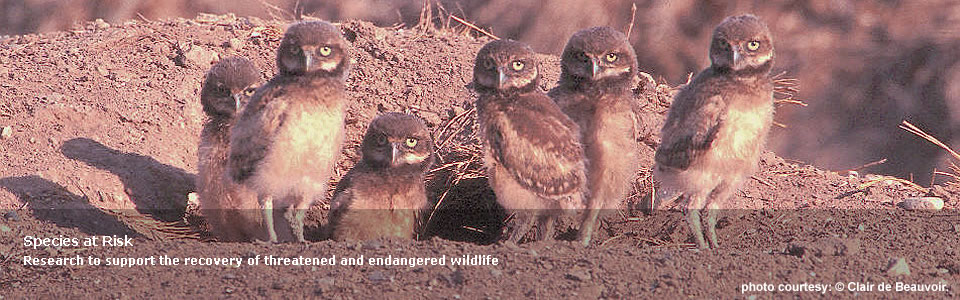
Conserving Burrowing Owls
OWI is collaborating on a project to identify methods for avoidance of harm and mitigation for habitat lost to alternative energy development. OWI staff will synthesize the large number of studies that have been conducted on burrowing owls to identify avoidance and mitigation approaches that make biological and logistical sense.
|
Kit Fox in Oregon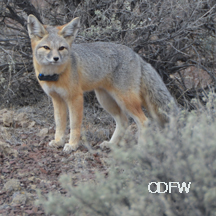
OWI has been involved in conservation planning and research on the kit fox (Vulpes macrotis) in southeast Oregon since 2012. [More...] |